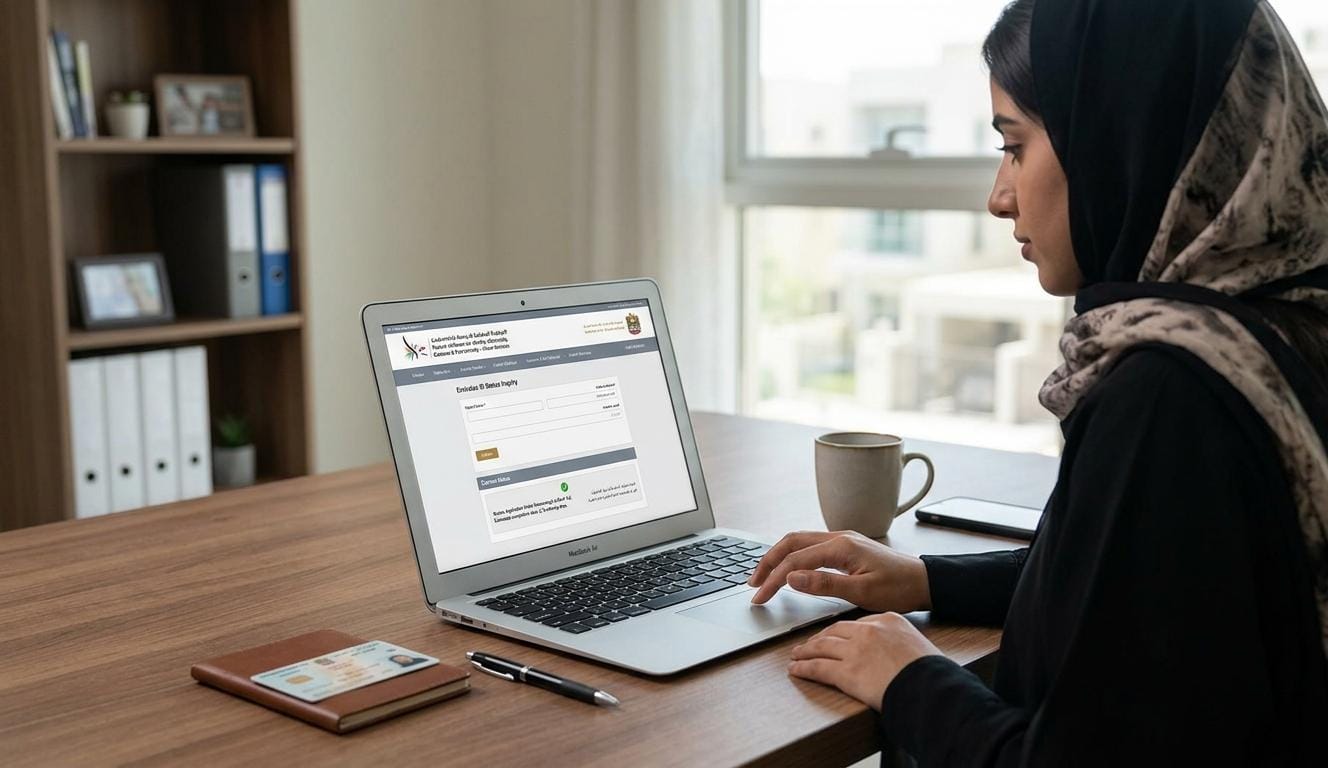
Dubai remains one of the world’s leading business hubs, attracting entrepreneurs, startups, and multinational companies. As part of setting up and operating a business in the UAE, understanding the concept of visa quota is essential.
Visa quota directly affects how many employees a company can sponsor, making it a key factor in workforce planning and long-term growth. Whether you’re launching a new venture or expanding an existing business, having a clear understanding of how visa quotas work can help you avoid delays and ensure compliance.
This guide outlines the meaning of visa quotas in Dubai, how they are determined, and the steps required for approval.
What Is a Visa Quota in Dubai?
A visa quota refers to the number of residence visas a company is permitted to apply for under its trade license. This allocation is determined by UAE authorities and is influenced by factors such as office space, business activity, and company structure.
In practical terms, it defines how many employees a business can legally sponsor. Without sufficient quota, companies may face limitations in hiring, regardless of operational demand.
Why It Matters for Businesses
Visa quota plays a central role in business operations. It not only determines hiring capacity but also influences how efficiently a company can scale.
From a practical standpoint, it helps businesses:
Plan workforce requirements in line with legal limits
Scale operations without unexpected restrictions
Maintain compliance with UAE labor and immigration regulations
Avoid delays in onboarding new employees
For growing businesses, aligning visa quota with expansion plans is critical to maintaining operational continuity.
Mainland vs. Free Zone Visa Quotas
Where your company is registered determines how your quota is calculated and managed.
Dubai Mainland (DED)
For companies registered on the Mainland, the quota is primarily managed by the Ministry of Human Resources and Emiratisation (MOHRE).
The Space Rule: Historically, the quota was strictly 1 visa per 80 to 100 square feet of office space. In 2026, while MOHRE assessments are more holistic, having a registered Ejari (tenancy contract) for a physical office remains the baseline for increasing your limit.
Flexibility: Mainland companies often have more room to grow, provided they can prove work volume and possess the square footage to house their team.
Free Zones
Free Zones operate under their own specific Authorities (such as DMCC, JAFZA, or IFZA).
Package-Based: Most Free Zones offer "starter packages" that include a set number of visas (typically 1 to 6) using a flexi-desk or shared workspace.
Capped Allocation: To go beyond the initial package, you usually must "upgrade" to a physical, private office within that specific zone. Each zone has its own square-footage-to-visa ratio.
How Visa Quota Is Determined
Several factors determine how many visas your company can apply for, and authorities assess each one carefully.
Office Space Requirements
Office size is one of the primary considerations. In mainland Dubai, visa allocation is often linked to the physical size of the workspace.
Larger offices generally allow for a higher number of visas, while smaller offices or flexi-desk arrangements may have more limited allocations.
Business Activity
The nature of the business also influences quota approval. Companies with labour-intensive operations may be granted higher quotas compared to consultancy or service-based businesses.
Company Structure
The type of company setup plays an important role. Mainland companies typically have more flexibility, with quotas linked to office space, while free zone companies often receive predefined visa packages based on their licence.
Government Approvals
All visa quota requests are subject to approval from relevant UAE authorities. These reviews ensure that the company has the capacity to support the number of employees it intends to sponsor.
Types of Visa Quotas in the UAE
Each category serves a different purpose, and knowing the distinction helps with accurate workforce planning.
Initial Visa Quota
This is the number of visas granted at the time of company formation. It is typically based on the initial office setup and business activity.
Additional Visa Quota
As a business grows, it may apply for additional visas. Approval depends on factors such as office expansion, compliance status, and operational needs.

Partner or Investor Visas
Business owners and partners are usually eligible for investor visas. These are separate from employee quotas and are tied to ownership in the company.
How to Check and Apply for Visa Quota
Businesses can review their visa quota through UAE immigration or labour portals, authorised government service centres, or directly through a professional service provider. You will typically need your trade licence details and company information to hand.
Requesting an increase follows a structured process: submitting an application to the relevant authority, providing supporting documents such as your trade licence and tenancy contract, and undergoing verification or inspection if required. Working with experienced consultants helps ensure the application is complete and processed without unnecessary delays.
Common Challenges and How to Avoid Them
Knowing where applications typically stall makes it easier to prepare and move through the process without setbacks.
Limited Office Space
If your workspace does not meet the minimum space requirements, upgrading to a larger office is the most direct way to improve eligibility.
Incomplete Documentation
Missing or outdated documents are among the most common causes of delay. Ensuring all paperwork is accurate and current before submission keeps the process moving.
Compliance Issues
Companies that do not meet UAE regulatory standards may face difficulties in obtaining approvals. Maintaining proper compliance is critical for both current and future applications.
How to Increase Your Visa Quota
Preparation makes the difference between a smooth approval and an unnecessary delay.
Upgrade to a larger office space to meet allocation requirements
Ensure all trade licences and documents are valid
Assess current and projected hiring requirements before applying
Account for costs associated with employee visas and sponsorship
Review office space capacity and scalability
Maintain a strong compliance record
Work with experienced consultants to manage the application process
Take the Next Step with Your Visa Plans
Getting your quota right from the outset saves time, prevents hiring delays, and keeps your business on the right side of UAE compliance.
Visa quota is not a one-time consideration. It evolves as your business grows, your office space changes, and your workforce expands. Staying informed about how allocations are determined and when to apply for increases puts you in a stronger position to scale without interruption. With the right strategy and proper guidance, managing visa quotas becomes a streamlined part of building and scaling a successful business in Dubai.
Frequently Asked Questions

Swetha Ranjith
More Articles
Explore more insights from our team to deepen your understanding of our services.